

- Validated by
-
- Duration
- 6 months
- Apply by
- 6th Sep 2026
Total fees
£2,550Next intake
September 2026
Apply by
6th Sep 2026
Commitment
Part time
Format
100% online
Duration
6 months
About this programme
This Postgraduate Certificate in Addiction Medicine is exclusively designed for healthcare professionals who hold a University undergraduate qualification in a medical field.
Our 6-month Postgraduate Certificate in Addiction Medicine equips healthcare professionals with advanced knowledge of addiction, enhancing your ability to assess and offer initial treatment or relevant advice to those presenting with addiction-related issues. This directly supports the levels of care for this broad patient group and reduces the burden currently placed on rehabilitation facilities for addiction.
Delivered completely online, our addiction medicine course allows medical professionals in the UK and internationally to access vital higher education. By offering the best online postgraduate course in addiction medicine, we contribute positively to the awareness, treatment, and related research for addiction issues globally. Our programme is ideal if you're seeking affordable online addiction medicine diploma programmes, ensuring accessibility without compromising on quality.
In the UK, 45% of adults aged 18-75, equivalent to 22 million people, have either directly experienced addiction themselves or know someone close who has. More people die each year in the UK from drug misuse than from road traffic incidents and all knife crime combined. In 2020, there were 8,974 alcohol-specific deaths in the UK, an 18.6% increase from 2019. Addressing these critical issues effectively requires a thorough understanding of addiction medicine. This certificate offers essential insights and practical skills, serving as a valuable complement to existing knowledge. Enhance your expertise and improve your ability to manage and treat addiction effectively.
This concise six-month Addiction Medicine programme offers you the chance for tutor-led peer discussion on key topics with a multidisciplinary approach. The curriculum covers essential topics such as the Neurobiology of Addiction, Evidence-Based Practices in Addiction Medicine, Co-Occurring Disorders, and Harm Reduction Strategies. This ensures a comprehensive understanding of various types of addiction and modern treatment strategies, preparing you to address these issues effectively in diverse healthcare settings.
You will also have the opportunity to enhance your research skills, communication, and problem-solving abilities, providing the confidence and resilience needed to use your own initiative and manage time effectively. Our (add accreditor)accredited online diploma in addiction medicine with clinical training offers a robust foundation for those aiming to pursue a career in addiction medicine.
Our online drug addiction courses with certificates are designed for flexibility and practicality, allowing you to gain certification without interrupting your career, and preparing you for a future in addiction treatment and research.
Following completion of the course you should be able to:
- Synthesise the evidence and critically interpret this into the care of patients presenting with addiction in a range of healthcare settings.
- Critically analyse the biological, physiological and ethical considerations related to the delivery of addiction medicine with a multidisciplinary approach.
- Develop a systematic knowledge of the investigation and evidence-based management in areas surrounding addiction medicine.
Who can study this Postgraduate Certificate in Addiction Medicine?
The Addiction Medicine course is aimed at all healthcare professionals with a related postgraduate qualification and interested in addiction medicine and includes:
- General Practitioners
- Psychiatrists
- Clinical Psychologists
- Nurses
- Pharmacists
- Addiction Medicine Specialists
- Public Health Professionals
What will you study on this Postgraduate Certificate in Addiction Medicine?
Our online Addiction Medicine Postgraduate Certificate allows you to study for just six months and is a part-time, distance-learning course. The course is worth 60 credits and comprises three modules of 20 credits, each running over a period of six weeks.
Year 1
Module 1 Module 1: Models of Addiction +
Module aims:
To develop a systematic understanding of the biological and pharmacological underpinnings of addiction, including the neurobiological, genetic, and environmental factors contributing to substance misuse. This module aims to create a foundational knowledge base from which students can critically assess and understand the complexity of addiction.
Content Summary:
- Introduction to Addiction Biology
- Genetics and Environmental Influences
- Pharmacology of Addiction
- Neuroadaptation and Behavioural Impact
- Substance Specific Addictions, including prescription only drugs (POM) and illicit drugs
- Emerging Issues and Trends in Addiction
Learning Outcomes:
- Critically evaluate and compare the biological, psychological, and socio-cultural models of addiction, analysing their strengths, limitations, and implications for clinical practice and public health interventions.
- Synthesise advanced theoretical frameworks and empirical evidence underpinning addiction models to develop evidence-based interventions and policies aimed at prevention, treatment, and harm reduction strategies within diverse healthcare settings.
Module 2 Module 2: Clinical and Psychosocial Management of Addiction +
Module aims:
To enhance the knowledge and skills necessary for the assessment, diagnosis, and treatment of addiction using evidence-based clinical and psychosocial interventions. This module focuses on developing advanced, practical skills for managing and supporting individuals with substance use disorders, including prescription only drugs (POM) and illicit drugs, through a comprehensive and patient-centred approach to care.
Content Summary:
- Assessment and Diagnosis
- Evidence-Based Treatment Approaches
- Psychosocial Interventions and Support
- Addressing Co-occurring Disorders
- Relapse Prevention and Management
- Integrated Care and Collaborative Treatment
Learning Outcomes:
- Demonstrate a systemic understanding and knowledge of assessing people for addiction and critically appraise and evaluate different modes of treatment in addiction care.
- Construct management strategies that include effective collaboration with a multidisciplinary team, employing advanced communication and leadership skills to optimise patient care and outcomes in addiction treatment.
Module 3 Module 3: Ethical, Legal, and Public Health Perspectives of Addiction Medicine +
Module aims:
To provide students with a systematic understanding of the ethical, legal, and public health considerations in addiction medicine in a range of complex settings. This module aims to enhance an appreciation of the societal impacts of addiction, the importance of ethical care provision, and the role of healthcare professionals in advocating for policy changes and public health initiatives to reduce the burden of addiction.
Content Summary:
- Ethical Considerations in Addiction Medicine
- Legal Frameworks and Regulations
- Public Health and Policy
- Social Determinants and Cultural Competence
- Prevention and Community Engagement
- Handling Complex Cases and Safeguarding
Learning Outcomes:
- Critically evaluate the ethical implications of legal frameworks in addiction medicine, analysing their impact on patient rights, confidentiality, and equitable access to care.
- Exhibit critical thinking and analytical skills to examine the ethical, legal, and societal implications related to addiction medicine, synthesising complex information to inform ethical-decision making and policy advocacy.
How will I learn?
You’ll learn through our flexible, interactive online platform: clinical cases, assignments and collaboration with fellow students at times that suit your rota. There is no fixed timetable — log in daily to take part in the week’s activities.
Groups are small, typically 10–20 students, so discussion stays close to practice. A dedicated tutor and the Student Support Team stay with you through the module.
-
100% flexible
Online, with no campus days. Study around clinic, nights and family life.
-
Case-based
Two or three clinically rich scenarios each week, discussed with peers and marked by your tutor.
-
About 10 hours a week
A little and often — daily login beats a weekly cram.
Assessment methods
The Addiction Medicine online course places assessments at the heart of the learning process through the employment of real life scenarios to enhance problem-solving, critical analysis and evidence-based practice. Since the scenarios act as a focus for learning and assessment, the two are intrinsically linked.
The three modules on the course have the same assessment format and for all modules, you will be assigned a dedicated expert tutor. Your tutor will then facilitate case discussions with the group, whilst monitoring, assessing and marking your work throughout. You will also participate in a combination of module activities that may be group and/or individual based, dependent on the module.
These innovative teaching methods enable you to envisage the translation of your studies into your every day work and practice. Due to the online nature of the course, you will be expected to regularly login and participate in the course - ideally on a daily basis. Students are recommended to spend around two hours per day on their studies. Our dedicated Student Support Team are also available to help with any problems you may face. From navigating our online platform to advising you on deadlines, our team can assist with any questions or challenges you may have along the way.
Assessments are built into the learning. Each week you work through clinical cases with your tutor; those discussions are the core of both the teaching and the marks.
Academic Forum (Case-based scenarios and discussion) - 40% +
Students are required to critically analyse clinically focused case-based scenarios, discussion threads and weekly questions posed by their tutors via the Academic Forum (an online discussion board) and designed to meet the module learning outcomes. Here, students make their own researched and referenced contributions and interact with the tutor and their fellow students. There is no didactic teaching, instead, students are posed questions and prompted to search the literature, read it critically and respond. Engagement is encouraged by the tutor prompting students to respond and the use of automated activity monitoring software.
At the end of each module, the tutor allocates marks to each student based on a marking rubric. The rubric takes into account the following elements:
· Promptness and initiative
· Delivery of post (spelling and grammar)
· The relevance of post and referencing
· Expression within the post
Reflective portfolio - 10% +
The online reflective journal is a learning portfolio that requires the students to record and critically reflect on their learning. Reflection is an important aspect of the programme as the professionals will be able to spend time considering how their practice compares to the themes being discussed in the module. The tutor provides regular feedback to the student and marks it at the end of the module.
Reflective practice is a requirement for healthcare professionals for both professional re-validation and professional development.
Module Activity (Group or Individual) - 20% +
The group activity is designed to stimulate and test the students’ ability to work as a team in taking the subject area forward. A group task is set, the group elects a leader using the online forum (designed to put leadership skills into practice) and the leader allocates tasks to group members.
The leader is responsible for managing, collating and submitting the activity (online) at the end of the module. The tutor provides formative guidance part way through the module and marks the assessment at the end.
Examples of individual activities might include either a written assignment, poster, blog or social media project.
All students must complete the same assignment for each module that is predetermined by the programme Leader before the modules commence. Students are not provided with an option to choose.
Case-based multiple-choice exam - 30% +
Case problems in the form of a one-hour timed examination with multiple-choice ‘single best answer’ questions directly test the reasoning and knowledge objectives of the module. The online examination is marked automatically.
Entry requirements
Since our courses are conducted entirely online, they are accessible to both UK and international registered healthcare professionals.
Applicants will typically hold a first degree or equivalent (including international qualifications) in a relevant professional healthcare field, such as a medical or nursing degree.
Registered healthcare professionals without these recognised qualifications will be considered on an individual basis and a wide range of prior experience may be taken into account. In some cases, applicants may be asked to submit a piece of work for assessment in order to confirm that they are able to work comfortably at postgraduate level, and demonstrate the requisite clinical and professional knowledge.
Documents required
- A copy of your updated CV including your address and date of birth.
- A copy of your undergraduate degree certificate.
- The name and email address of someone who is able to provide a reference. This can be a work colleague, employer or former tutor.
- A detailed personal statement explaining why you would like to undertake the course.
- A copy of your proof of English competency (see below).
English language requirements
Proficiency in the English language is essential to completing our courses. If English is not your first language, we ask for proof of competency during the application process. We are able to accept an IELTS overall score of 6.0 (with a minimum of 5.5 for each band) or an equivalent qualification.
If you do not meet these requirements, please don’t worry. The University of South Wales run a number of English language programmes to prepare you for your academic studies. You can also contact our admissions team on admissions@learna.ac.uk for more information on the qualifications we accept.
Faculty
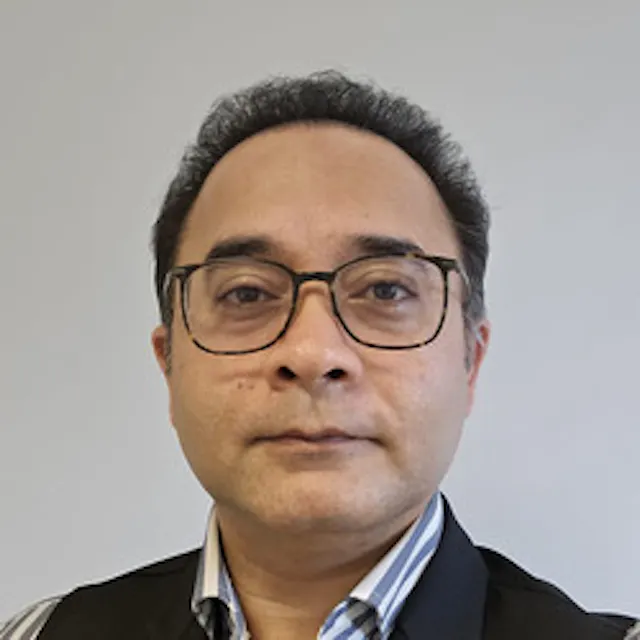
Programme Director
Dr Raman Sakhuja MBBS, MRCPsych, DpM, MBA

Tutor
Dr. Monica Devi Vaswani MBBS, FCPS in Psychiatry

Tutor
Dr. Graeme James Judson MBChB, MHSc, FAChAM
1 / 3
Validated by
University of South Wales
The University of South Wales (USW) is a modern, industry focused University located in Cardiff, Newport and Pontypridd in South Wales, UK. It was rated best in the UK for the Health Professions in the Guardian University Guide 2020 and, in the latest Complete University Guide 2022, is in the top 10 in the UK for Health Studies. USW is one of Britain’s largest and most exciting new universities attracting a cosmopolitan mix of students from across the globe.
Dates
Dates for Postgraduate Certificate / Postgraduate Diploma / MSc Year 1 September 2026 Intake
| Module | Start | End |
|---|---|---|
| Induction Week | 7th September 2026 | 11th September 2026 |
| Module 1 | 14th September 2026 | 25th October 2026 |
| Module 2 | 9th November 2026 | 20th December 2026 |
| Module 3 | 11th January 2027 | 21st February 2027 |
| Module 4 | 8th March 2027 | 18th April 2027 |
| Module 5 | 3rd May 2027 | 13th June 2027 |
| Module 6 | 28th June 2027 | 8th August 2027 |
Course fees and payment options
Course fees
- Deposit for September 2026
- £425
- Total course fees (UK & international)
- £2,550
Payment options
- Option 1: Upfront payment in full (discount available).
- Option 2: Interest-free monthly payments throughout the course.
Spread the cost with Lendwise, who offer financing options for up to 8 years.
Payment plan breakdown
| Instalment | Amount |
|---|---|
| Deposit | £425 |
| 1st May 2026 | £425 |
| 1st June 2026 | £425 |
| 1st July 2026 | £425 |
| 1st August 2026 | £425 |
| 1st September 2026 | £425 |
Deposits are non-refundable. Prices are subject to review following each intake. Lendwise finance is subject to eligibility.
Frequently asked questions
Are the courses recognised outside of the UK? +
As each Medical Council has their own rules/regulations with regard to Postgraduate study we recommend that you contact your local Medical Council with regard to recognition.
Upon completion of the course the University would invite you to a graduation ceremony and provide your certificate which makes no reference to the fact that the course was studied online and is therefore typically recognised the same as any other UK University qualification.
Rest assured, the overall Postgraduate Diploma carries a total of 1,200 CPD points, with the MSc an additional 600 CPD points, and all official certifications are issued directly by the University.
How do online courses work? +
When you study one of our programmes you may be surprised to find that there are no lectures or seminars. Your learning will be self-directed meaning that rather than being told information you find it for yourself (with tutor guidance and support). We do this via a series of clinically rich scenarios which your tutor will post on our academic forum which you and your classmates will research, respond to and discuss.
You will be assessed through the Academic Forum, Reflective Journal and Assignments. Learning will be carried out using our online learning platform: Moodle.
You can study whenever and wherever you want - our programmes are totally flexible to fit around your other work and life commitments.
How much time will I need to spend on the course each week? +
The course is specifically designed so that part of your study is the application of theory to practice in your day job.
We typically suggest that students aim to log into the Moodle platform daily. We recommend a "little and often" approach for reading, reflection and/or posting. High achieving students will typically spend 1-2 hours dedicated to their studies a day; 10 hours per week is sufficient time to spend on the platform.
Those who cannot dedicate more time than once/twice per week may struggle with the demands of this postgraduate programme.
Is the course completely online? +
Yes, everything is done entirely online through our learning platform, Moodle. You do not need to attend the University.
My international degree was taught in English - do I still need to take an English test to prove my English proficiency? +
All of our courses are delivered in English, so proficiency in the English language is essential for success. If English is not your first language, we require proof of competency as part of your application. We accept the following as proof of English Language skills:
We Accept a Range of English Language Qualifications
While IELTS and TOEFL are among the most commonly used English tests, we understand that students come from diverse backgrounds — and we’re happy to work with you to accept a wide range of other recognised English language qualifications.
We accept IELTS (International English Language Testing System)
Our most commonly accepted test, IELTS is globally recognised and widely used for university admissions.
We accept TOEFL (Test of English as a Foreign Language)
Another widely accepted test, TOEFL assesses your reading, writing, listening, and speaking skills in an academic setting.
We accept English Medium of Instruction (EMI) Letters
Many of our international students provide an EMI (English Medium Instruction) letter from their previous institution. This letter should confirm that you were taught in the medium of English. It is a popular and widely accepted form of proof, especially if you have completed prior academic studies in English.
Our University partners Requirements
The University of South Wales accepts an overall score of 6.0 (minimum of 5.5 for each band) and The University of Buckingham accepts an overall score of 6.5 (minimum of 6.0 for each band).
Do you offer any payment plans or funding support? +
Our Flexible Instalment Plan is designed to offer ultimate flexibility to pay for your programme. You have the choice of two payment options:
Make an Upfront Payment in Full: For those who prefer to settle their fees upfront, you can pay the full amount at the beginning of your programme.
Interest-Free Payments: Alternatively, you can choose to spread your payments out with interest-free instalments every month for the duration of your course.
These options are separate from our existing lending partners, which you can explore further on our programme pages. We believe that education should be accessible to all, and our Flexible Instalment Plan is just one of the ways we are committed to supporting you in your academic journey.
What discounts are available, and how much can I save? +
We currently offer two discounts: the Early Bird Discount and the Action Taker Discount. The Early Bird discount allows you to save up to £500 or more, available only to self-funders and is a limited-time offer that runs for the entirety of November for the March cohort or the entirety of May for the September cohort. Our Action Taker Discount allows you to save up to £150 off for PGCert and £250 off for PGDip/2-year MSc programmes. To qualify for Action Takers, you must pay the deposit within 7 days of acceptance.
For Early Bird Discounts, the discount is visible if your application and acceptance are completed within the required timeframe. For Action Taker Discounts, it will reflect once conditions are met.